
How the Small Claims Court Process Works
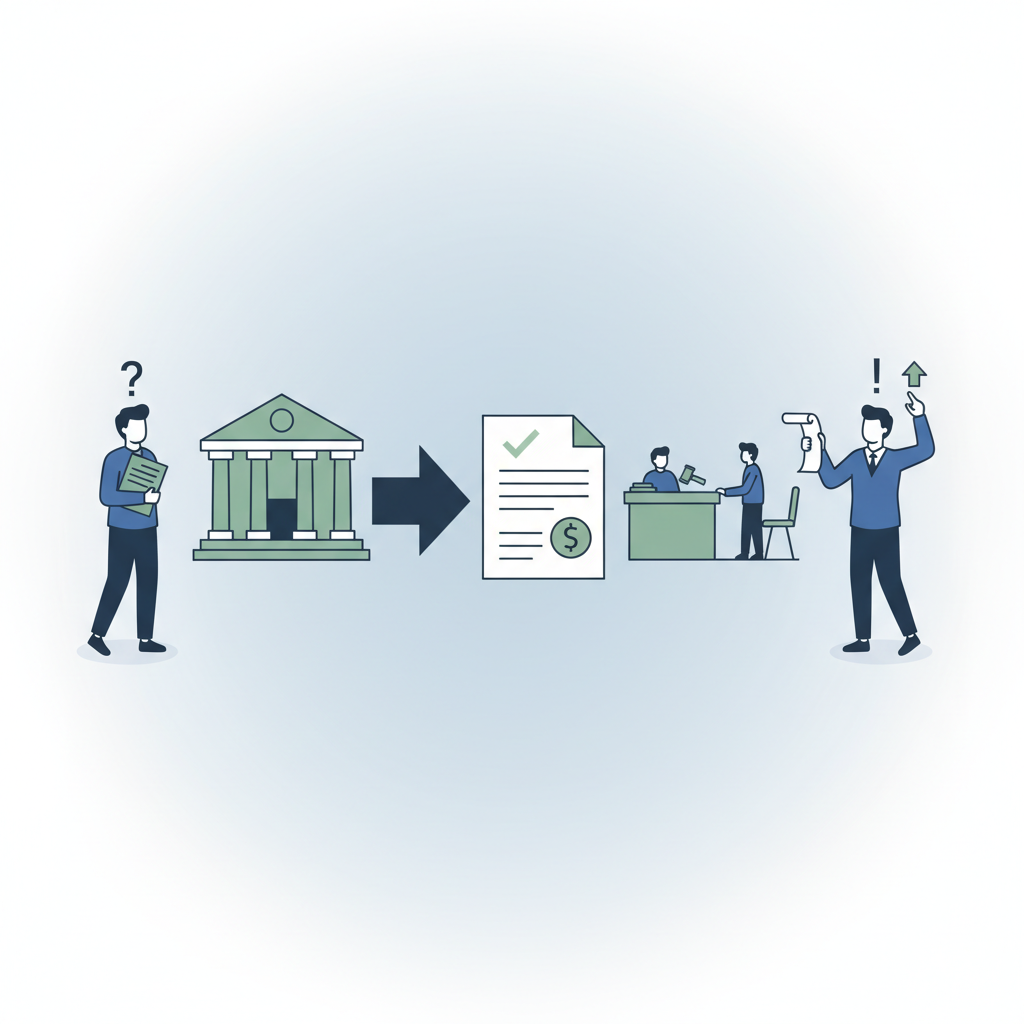
If you've never been to small claims court, the process can feel intimidating. But it's actually one of the most straightforward legal processes available to everyday Americans. Here's exactly what to expect.
Step 1: Determine If Small Claims Is Right for You
Small claims court handles disputes involving money — typically under $10,000–$25,000 depending on your state. It's ideal for unpaid debts, security deposit disputes, property damage, and breach of contract.
Step 2: File Your Claim
You'll complete a complaint form at your local courthouse or online. You'll need the defendant's full legal name and address, a clear description of your claim, and the exact dollar amount you're seeking.
Step 3: Pay the Filing Fee
Filing fees typically range from $30 to $100 depending on your state and the amount of your claim.
Step 4: Serve the Defendant
The defendant must be officially notified of the lawsuit. This is called "service of process." Your state will specify acceptable methods.
Step 5: Prepare for the Hearing
Organize all your evidence — contracts, receipts, photos, messages. Prepare a brief, clear statement of your case.
Step 6: Attend the Hearing
A judge (or magistrate) will hear both sides. There are no juries in small claims court. Be respectful, concise, and factual.
Step 7: Receive the Judgment
The judge may rule immediately or mail a decision within a few days. If you win, you'll receive a judgment in your favor.
Step 8: Collect Your Money
Winning a judgment doesn't guarantee payment. You may need to garnish wages, place a lien on property, or levy a bank account to collect.
courtlinked.com
Need help filing your small claims case?
File My Case